

SDVoE AVoIP Solutions | 10G Zero-Latency 4K60 4:4:4 over IP
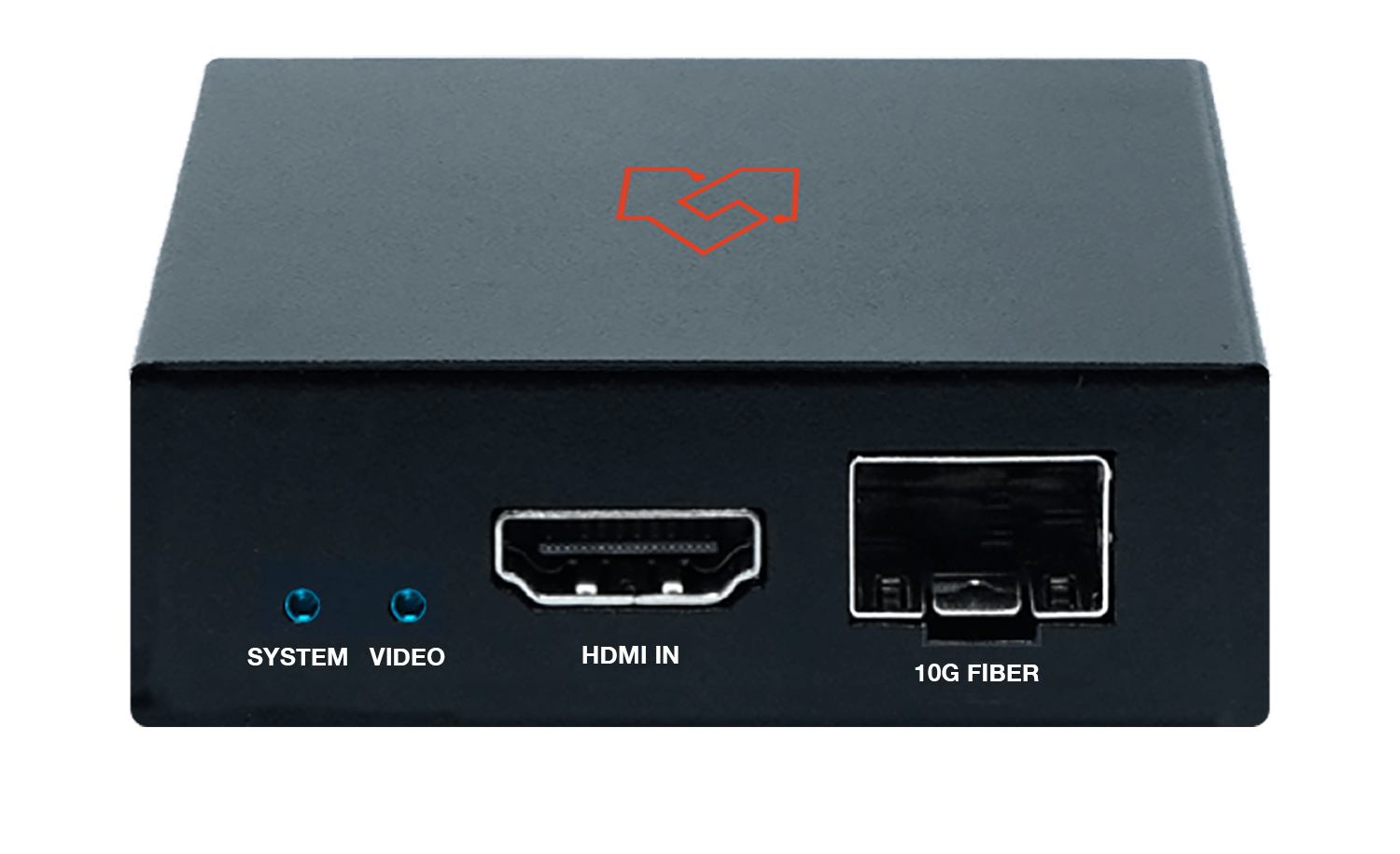
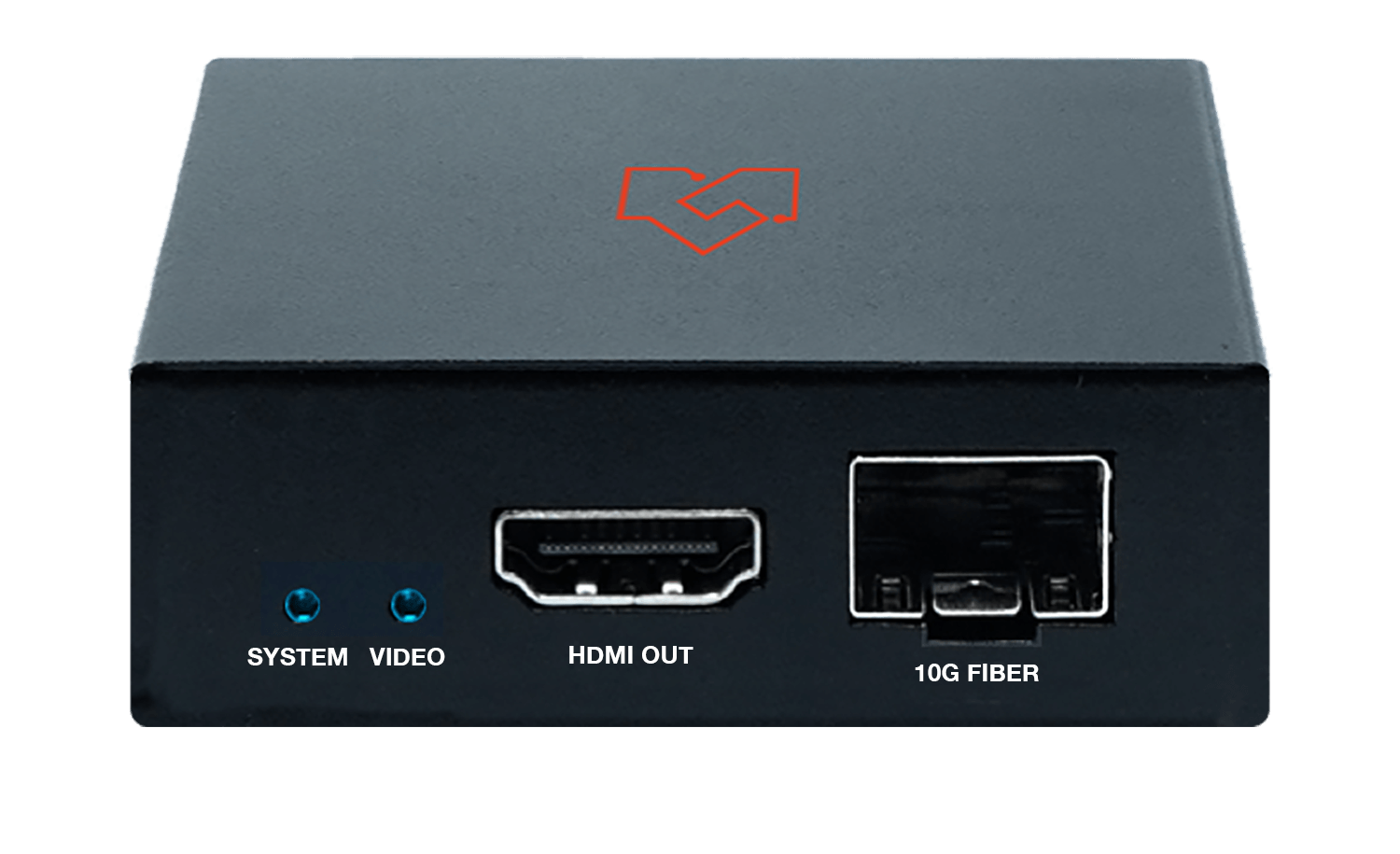
10G Fiber SDVoE Extenders and Transceivers - Extension up to 984 ft (300m)
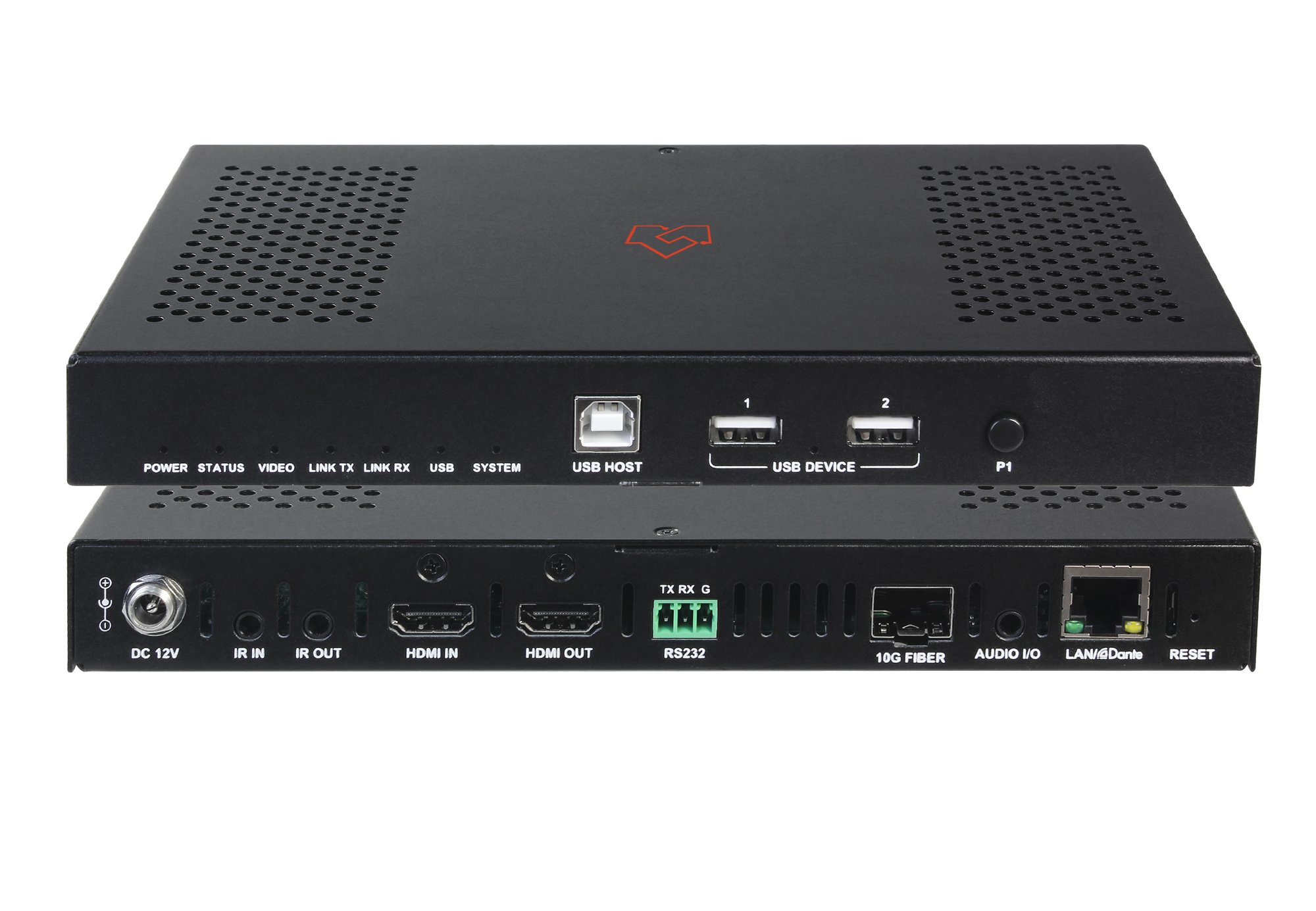
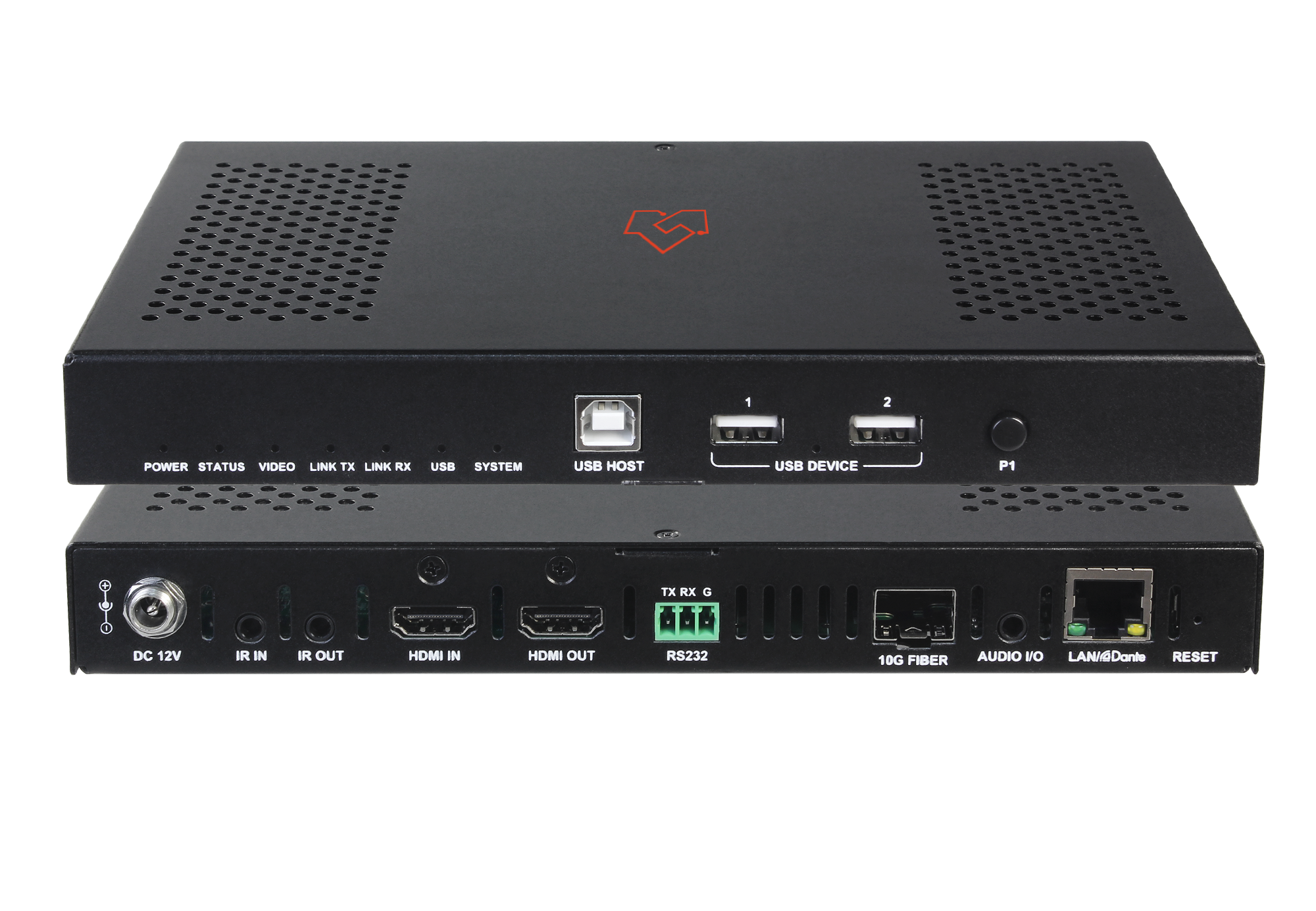
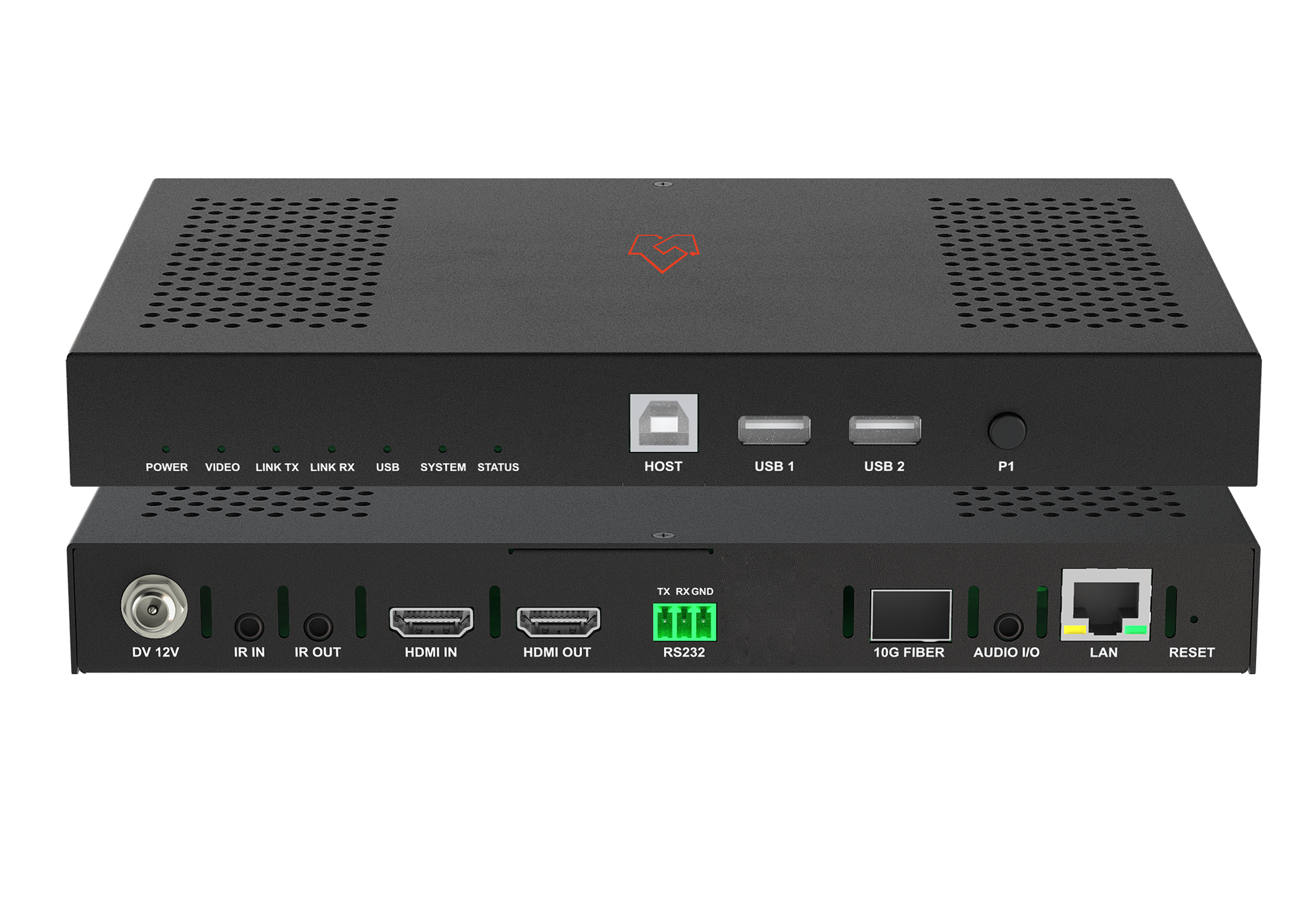


10G Copper SDVoE Extenders and Transceivers - Extension up to 328 ft (100m)
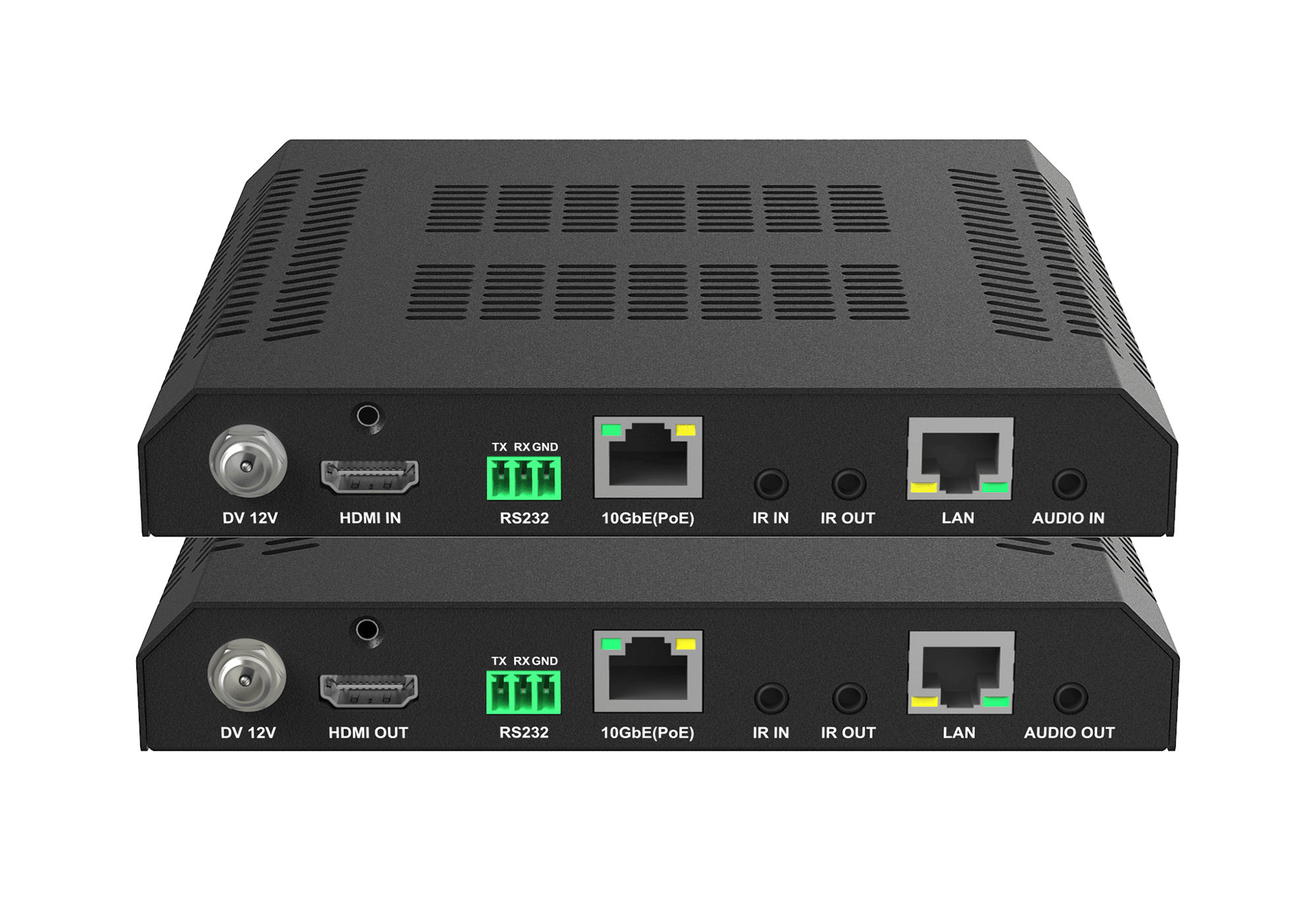
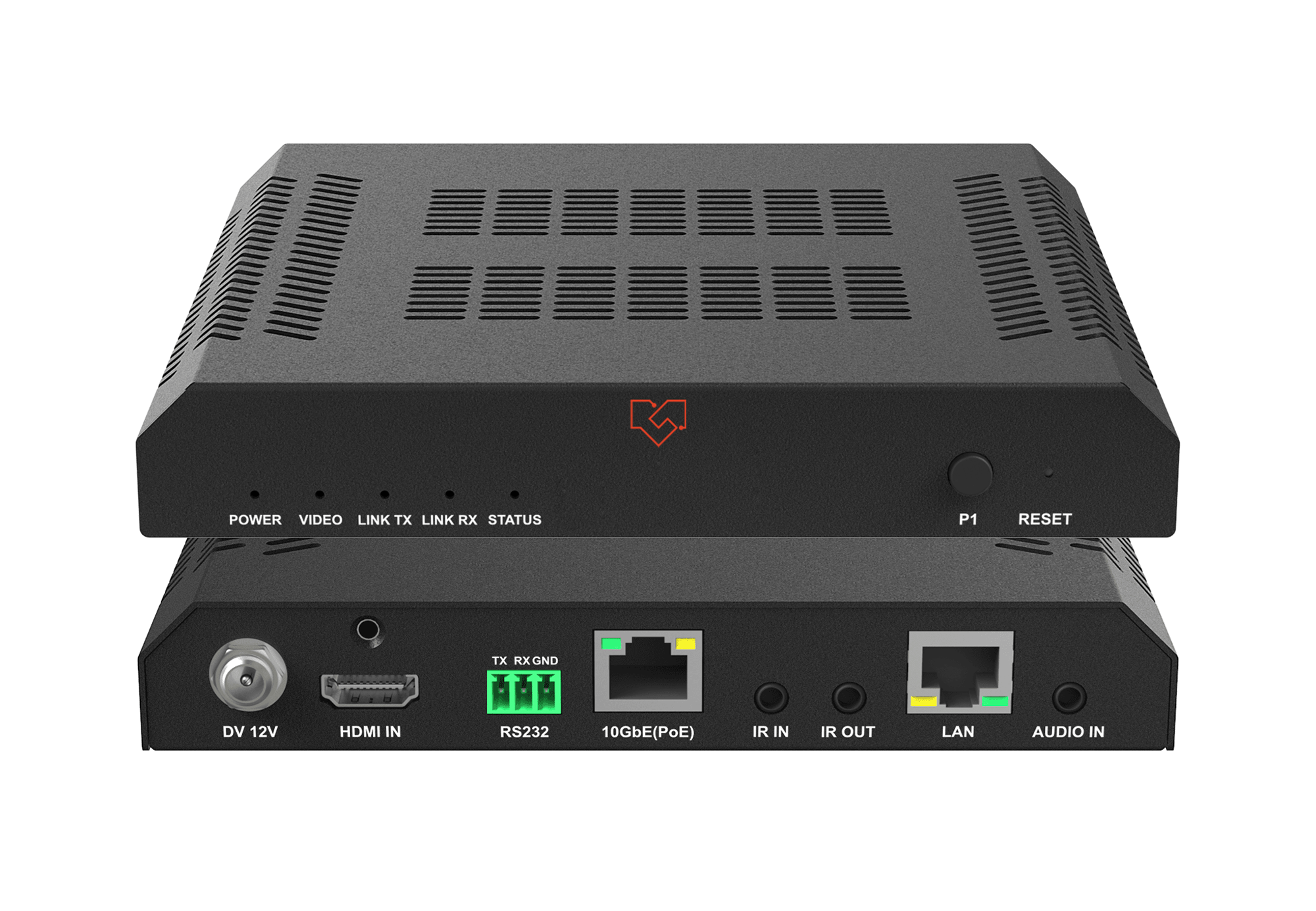
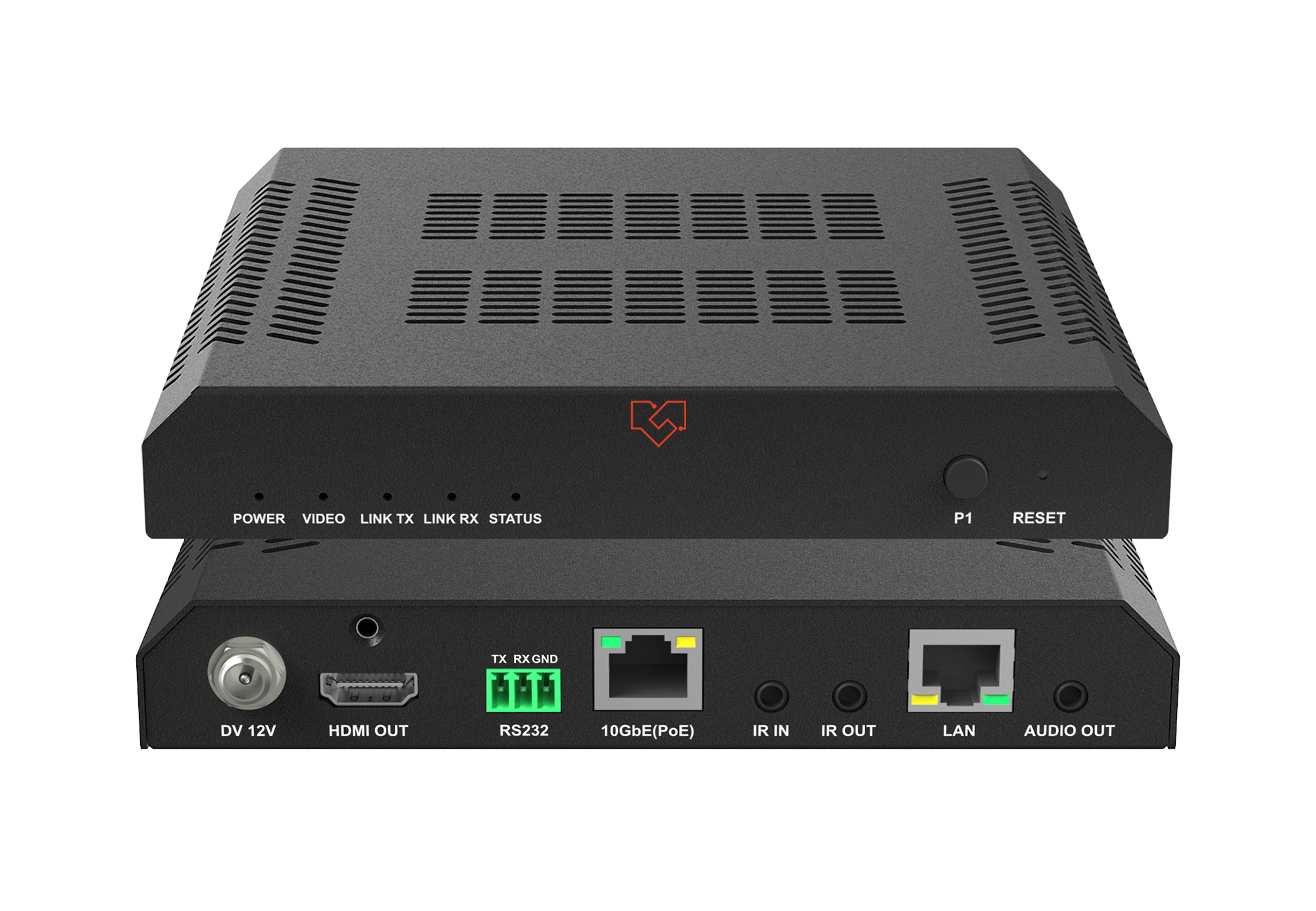
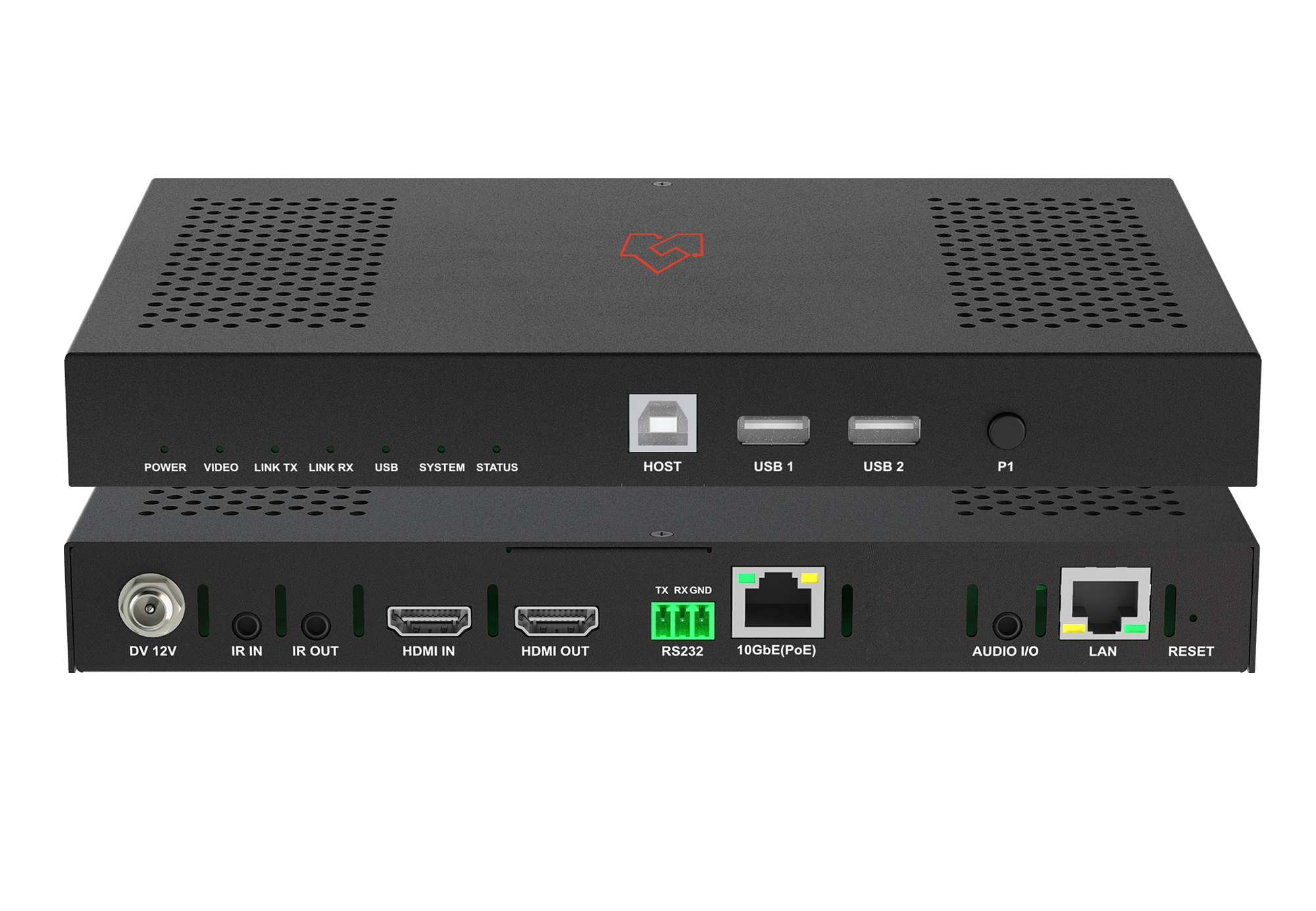


10G Copper SDVoE Wall Plate Extenders - Extension up to 328 ft (100m)




SDVoE System Control and Management
About SDVoE AVoIP Solutions
SDVoE (Software Defined Video over Ethernet) is an uncompressed AV over IP standard that transports 4K60 4:4:4 HDMI 2.0 video, USB, RS-232, and audio over 10 Gigabit Ethernet with zero perceptible latency — making it the appropriate technology for applications where image quality and switching response cannot tolerate compression artifacts or frame delays. Unlike H.265 or JPEG 2000 systems that reduce bandwidth through compression, SDVoE transmits the full uncompressed HDMI signal as an IP stream, requiring 10G network switching but delivering performance equivalent to a direct HDMI cable connection regardless of switching complexity.
VigilLink's SDVoE product family includes 10G fiber transceivers (up to 300m on LC duplex fiber), 10G copper transceivers (up to 100m on Cat6A), wall plate transmitters and receivers for conference room and collaboration space deployments, and a dedicated SDVoE controller. Select transceiver models integrate Icron USB 2.0 extension, USB-C input switching, Dante networked audio, and built-in videowall and multiview processing in a single endpoint.
Choosing the Right SDVoE AVoIP Product
10G Fiber Transceivers — Extension to 300m (VLIP-SDFR-TX / VLIP-SDFR-RX / VLIP-SDUFR-TRX / VLIP-SDUDFR-TRX / VLIP-SDFRSC-TRX): Fiber-based SDVoE endpoints for installations where transmission distances exceed the 100m copper limit or where electrical isolation between source and display locations is required. The VLIP-SDFR-TX/RX are compact unidirectional transmitter/receiver pairs for straightforward 4K HDMI extension. The VLIP-SDUFR-TRX adds Icron USB 2.0 extension and Dante audio. The VLIP-SDUDFR-TRX adds Icron USB 2.0 and Dante. The VLIP-SDFRSC-TRX provides USB HID extension for keyboard/mouse-only KVM without full USB 2.0 hub support. Choose fiber transceivers when runs exceed 100m, when the installation spans separate buildings, or when electrical ground isolation between AV endpoints is a design requirement.
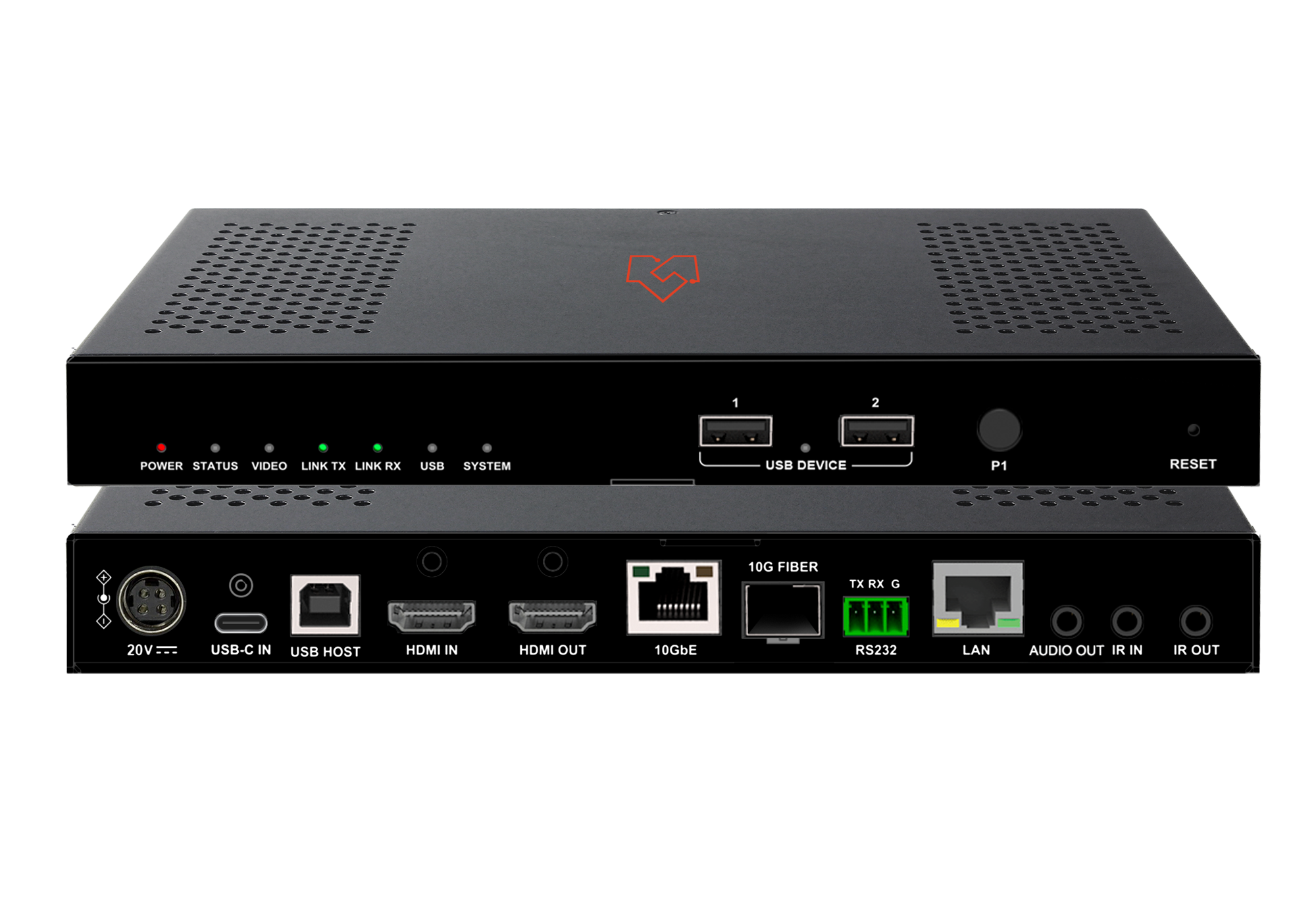
10G Copper Transceivers — Extension to 100m (VLIP-SDCP-TX / VLIP-SDCP-RX / VLIP-SDCP-EXT / VLIP-SDUCP-TRX / VLIP-SDUDCP-TRX / VLIP-SDCPSC-TRX): Cat6A-based SDVoE endpoints for installations within 100 meters where fiber cabling is not deployed. The VLIP-SDCP-TX/RX and VLIP-SDCP-EXT set provide HDMI 2.0 extension with IR and RS-232 control passback. The VLIP-SDUCP-TRX adds Icron USB 2.0 and videowall/multiview processing. The VLIP-SDUDCP-TRX adds Icron USB and Dante audio. The VLIP-SDCPSC-TRX provides USB HID KVM. Choose copper transceivers for in-building deployments on Cat6A where all endpoints are within 100 meters of the 10G switch.
10G Copper Wall Plate Endpoints (VLIP-SDUWPUS-TX / VLIP-SDUWPUS-RX / VLIP-SDUWPEU-TX / VLIP-SDUWPEU-RX): Wall plate form factor SDVoE transmitters and receivers for conference rooms and collaboration spaces where a flush-mount AV connection point is required. TX wall plates accept both HDMI and switchable USB-C video inputs; RX wall plates output to HDMI displays with Icron USB-C extension. US and EU versions match local wall plate gang box dimensions. Choose wall plate endpoints for conference room table connections and any installation where a rack-mount transceiver is not appropriate at the source or display location.
SDVoE System Controller (VLIP-SD10G-CTRL): The VLIP-SD10G-CTRL is the dedicated SDVoE system controller managing all routing, switching, and configuration across the SDVoE endpoint network through a software interface. A controller is required in any SDVoE installation with more than one source and display endpoint.
Frequently Asked Questions
What does "zero latency" mean for SDVoE and why does it matter?
SDVoE transmits uncompressed video over 10G Ethernet with glass-to-glass latency measured in microseconds — imperceptible in any real-world application. This matters for applications such as live production monitoring (where delayed preview signals cause operator errors), simulation environments (where display lag breaks immersion), esports and broadcast (where frame timing is operationally critical), and KVM-over-IP workstation control (where mouse and display response must feel instantaneous). Compressed AVoIP technologies like H.265 introduce multiple frames of encode/decode latency that makes these applications impractical.
What network infrastructure is required for SDVoE?
SDVoE requires a 10 Gigabit Ethernet switch with multicast forwarding and IGMP snooping enabled. Each SDVoE endpoint occupies one 10G switch port. VigilLink copper SDVoE products use Cat6A cabling to 100 meters; fiber products use LC duplex single-mode or multi-mode fiber to 300 meters. The SDVoE controller connects to the same network and communicates with endpoints over the 10G switch.
Can SDVoE endpoints support videowall and multiview simultaneously?
Yes. Select VigilLink SDVoE transceiver models include built-in videowall processing and multiview composition at the decoder endpoint. Videowall mode tiles a single source across multiple displays in configurable layouts; multiview mode combines multiple sources into a single display. These functions operate without a separate videowall processor, reducing overall system component count and rack space.
What is the difference between SDVoE copper and fiber transceivers?
Both copper and fiber SDVoE transceivers deliver identical uncompressed 4K60 4:4:4 performance at zero latency. The difference is the physical medium and maximum cable distance: copper models use Cat6A to 100 meters; fiber models use LC duplex fiber to 300 meters. Fiber also provides electrical isolation between source and display locations, which is a design requirement in certain broadcast, medical, and industrial environments. Feature sets (USB, Dante, HID) vary by specific model within each medium family.
Does SDVoE support Dante networked audio?
Yes. The VLIP-SDUFR-TRX (fiber) and VLIP-SDUDCP-TRX (copper) transceivers include integrated Dante networked audio, enabling professional-grade audio routing over the same 10G network infrastructure as video — without a separate Dante interface device. This is particularly valuable in broadcast and live event installations where SDVoE video and Dante audio infrastructure must coexist.